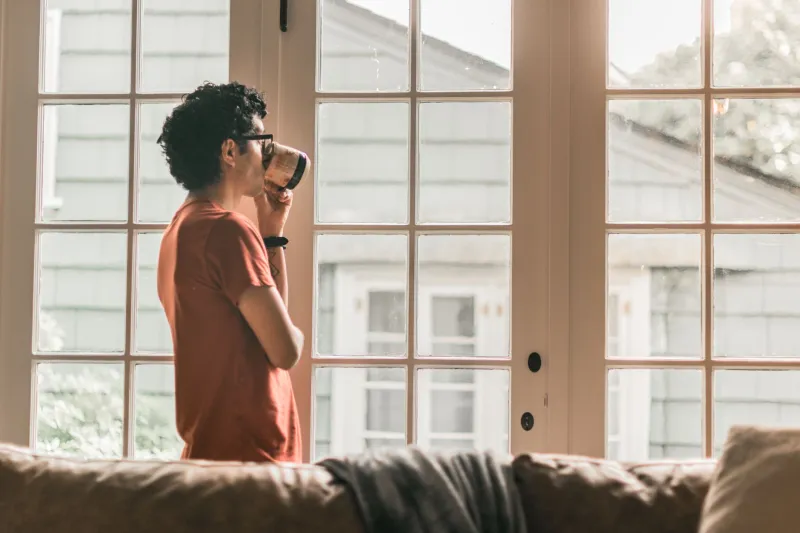
Why Your Brain Won't Let You Enjoy Good Things (And How to Finally Change That)
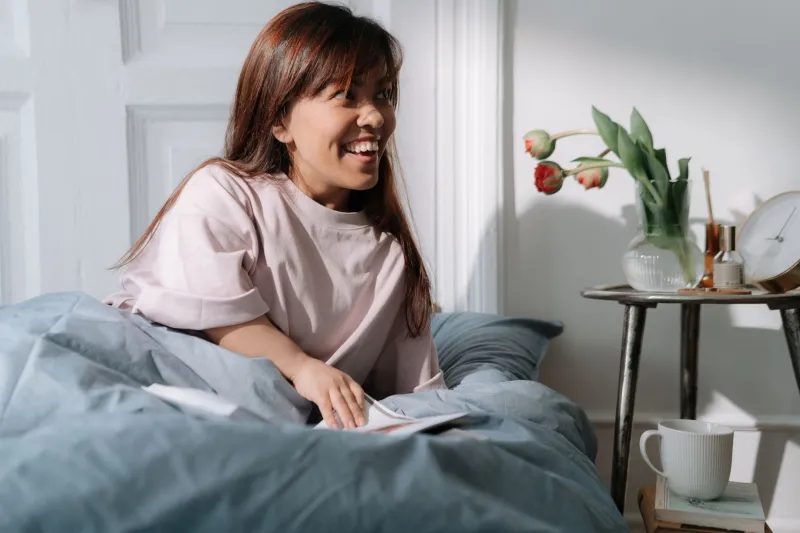
You land the job. You fall in love. A random Tuesday turns into one of those rare, golden days where everything just clicks. And right there, in the middle of it all — instead of soaking it in — you feel it. That quiet, creeping dread. This is too good. Something's about to go wrong.
If that sounds familiar, you're not alone, and you're definitely not broken. But you might be carrying what some therapists loosely call a joy debt mentality — the unconscious belief that happiness is a loan you'll eventually have to repay.
It's sneaky. It doesn't always look like doom and gloom. Sometimes it looks like rushing through a beautiful moment to document it. Sometimes it's deflecting a compliment before it can land. Sometimes it's just a low-grade tension that hums underneath every good thing, quietly insisting that the other shoe is about to drop.
So where does this come from? And more importantly — how do you get out from under it?
The Roots Run Deeper Than You Think
For a lot of us, this pattern starts early. If you grew up in an unpredictable environment — a household where good moods could shift without warning, where celebrations sometimes came with strings attached, or where things just had a habit of going sideways — your nervous system learned to stay on alert. Joy became a signal to brace yourself, not relax.
Even if your childhood was relatively stable, American culture doesn't exactly help. We're steeped in a productivity-obsessed, hustle-first mindset that quietly treats rest and contentment as laziness. There's a cultural undercurrent that says you should always be working toward the next thing, which makes sitting inside a good moment feel almost indulgent — like you're slacking off from your own ambition.
Add in the fact that social media has turned our personal highlight reels into public performance, and you've got a recipe for never actually being in your own life. We perform happiness more than we feel it.
Then there's plain old negativity bias — the brain's hardwired tendency to weight bad experiences more heavily than good ones. It's an evolutionary holdover. Your ancestors needed to remember where the danger was, not where the berries were sweetest. That survival wiring is still running in the background of your modern life, making threats feel more real and more urgent than moments of ease.
What Joy Debt Actually Looks Like Day-to-Day
Before you can interrupt a pattern, you have to recognize it. Joy debt doesn't always announce itself dramatically. It tends to show up in quieter, more socially acceptable ways:
- Minimizing good news — "It's not that big a deal" or "I got lucky" instead of letting yourself feel proud
- Catastrophizing during calm periods — using peaceful stretches to mentally rehearse everything that could go wrong
- Rushing through pleasure — speed-eating a great meal, barely finishing a good book before grabbing the next one, never fully arriving anywhere
- Superstitious self-protection — not wanting to talk about how well something is going, as if acknowledging it out loud will jinx it
- Emotional numbing — keeping yourself at a distance from your own life so the highs don't feel too high and the lows don't hit too hard
Sound familiar? Most of us do at least a few of these without even realizing it.
The Cost of Staying Braced
Here's the hard truth: when you spend your happiest moments waiting for them to end, you're not protecting yourself from loss. You're just experiencing the loss early — and voluntarily.
You're essentially taxing your own joy before you've even had a chance to spend it.
Over time, this creates a kind of emotional numbness. If you can't let good things land, they stop landing at all. Life starts to feel flat or hollow even when, on paper, things are going well. That disconnect — the gap between your circumstances and your ability to actually feel them — is one of the quieter sources of unhappiness that doesn't get talked about enough.
How to Start Letting Good Things Actually Be Good
The goal here isn't toxic positivity or pretending life doesn't have hard edges. It's about building a genuine capacity to receive good things without immediately armoring up against them. Here's where to start:
Name what's happening in real time. When you catch yourself bracing during a good moment, just say it — out loud or in your head: "I'm waiting for this to fall apart." Naming the pattern interrupts it. It creates a tiny bit of space between the feeling and the automatic response.
Practice what psychologists call savoring. This isn't complicated. It just means deliberately slowing down inside a positive experience — noticing the specific details, the way something smells or sounds or feels, and letting your attention rest there for longer than feels comfortable. Research consistently shows that savoring extends the emotional shelf life of good experiences.
Let compliments and good news actually arrive. Instead of deflecting or minimizing, try a simple pause. Take a breath. Say thank you and mean it. Let the words sit with you for a second before your brain starts explaining them away.
Separate enjoyment from expectation. This one's subtle but powerful. You can enjoy something fully and know it won't last forever. Those two things aren't in conflict. The sunset ends. That doesn't make it less worth watching. Accepting impermanence isn't the same as dreading it.
Work with your nervous system, not against it. If you find yourself chronically unable to feel safe in happy moments — if the anxiety is persistent and disruptive — that's worth exploring with a therapist. Somatic approaches, EMDR, and other trauma-informed therapies can help rewire those deep-seated threat responses in ways that journaling alone can't always reach.
Joy Isn't a Debt — It's Your Baseline
Here's a reframe worth sitting with: what if happiness isn't something you have to earn, justify, or brace against? What if it's actually just your natural state when you stop working so hard to block it?
The moments that make life feel worth living — the good days, the unexpected kindnesses, the stretches of peace — aren't tricks. They're not the universe luring you into a false sense of security. They're just life, doing what it occasionally does.
You're allowed to be in them. Fully. Without one eye already scanning for the exit.
The joy isn't borrowed. You don't owe it back to anyone. And the longer you let yourself believe otherwise, the more of it quietly slips by unclaimed.
Start small. The next time something genuinely good happens — a kind text, a great cup of coffee, a moment where everything feels okay — try staying in it for just a little longer than usual. Don't reach for your phone. Don't start planning the next thing. Don't wait for it to end.
Just let it be good. That's the whole practice. And it's more than enough.